
Selecting Gel Ice Packs by PCM vs. Gel: Technical Parameters for Cold Chain Buyers
Short answer: specify a phase change material (PCM) ice plate when the payload must stay inside a narrow, pre-defined temperature band; specify a SAP/CMC gel ice pack when you need a robust, reusable, food-safe cold source with a wider working tolerance. Shell material, dimensions, certification paperwork and cost structure all follow from that first decision.
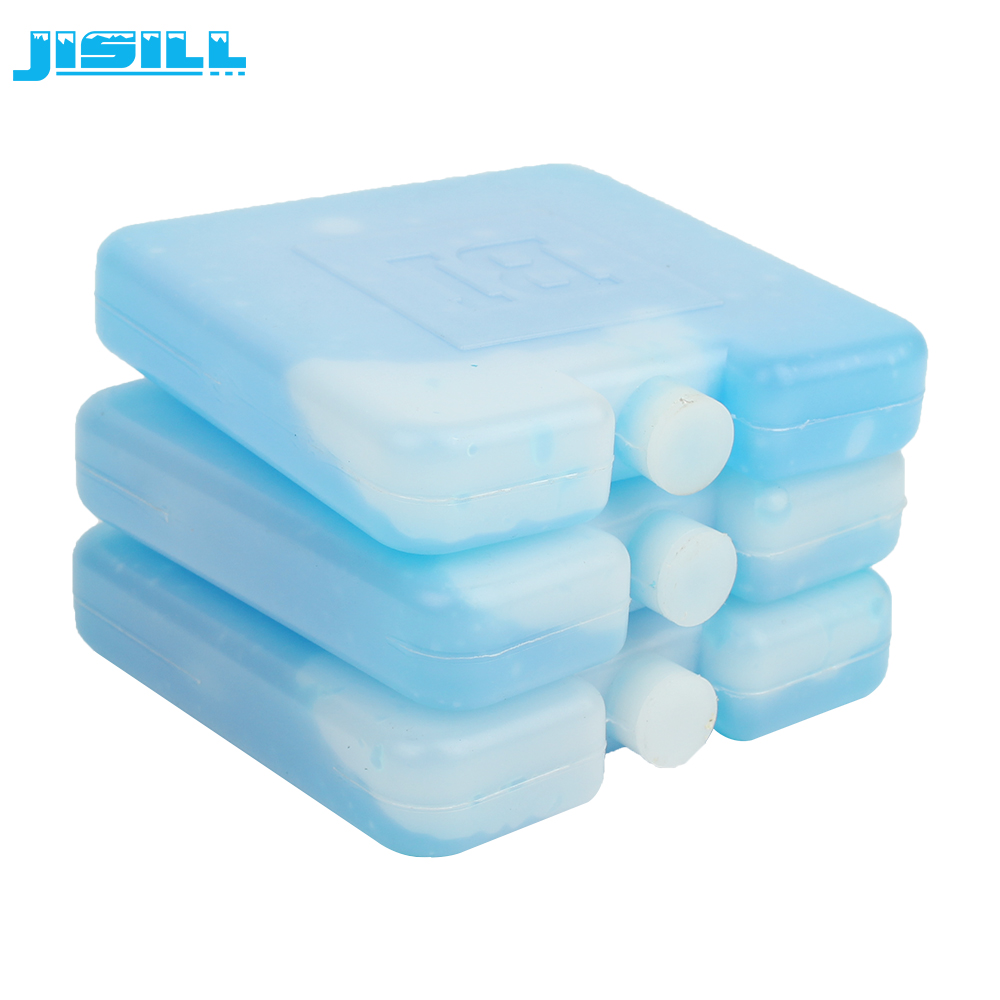
Gel ice packs are sold under a single category name, but they are built around two different fill chemistries. A PCM pack contains material engineered to change phase at a defined transition temperature, so it holds temperature rather than simply absorbing heat. A standard gel pack contains a water-based SAP or CMC fill sealed inside a food-grade HDPE shell, and its behaviour follows the freezing and thawing of that fill.
This guide is written for buyers at the decision stage, where chemistry has to be committed to a purchase order. It works through fill chemistry, outer shell materials (food-grade HDPE, and nylon/PE laminate film in thin pouch formats), physical dimensions, thermal storage implications, and the certification set (FDA, SGS, MSDS, with CPSIA relevant to US consumer applications). Changzhou Jisi Cold Chain Technology Co., Ltd, a cold chain manufacturer based in Changzhou, Jiangsu Province, China, produces both fill types; the BH014 PCM plate and the BH011 SAP/CMC gel pack are used as reference examples throughout.
Why "gel ice pack" is not a usable purchase specification
A line item that reads "gel ice pack, 600 ml, blue, 5,000 pcs" leaves the two variables that decide whether a shipment arrives in specification completely undefined: what the fill actually is, and at what temperature it does its work. Four failure patterns recur in cold chain procurement.
- Band width mismatch. A water-based gel pack has a wider working tolerance than a PCM plate tuned to one transition temperature. For a payload with an allowed band of a few degrees, "wider" is not a safety margin - it is uncontrolled drift.
- Transition temperature mismatch. Buying PCM that transitions at the wrong set point adds cost without adding protection. A frozen-food programme and a 2-8 °C pharmaceutical programme do not share a specification, even when the pack looks identical.
- Dimension mismatch. A pack that is a few millimetres too thick, or a cavity that leaves packs free to shift, changes the thermal path regardless of how good the fill is.
- Documentation arriving late. FDA statements, SGS reports and the MSDS are frequently requested after the PO is issued. For medical and food-contact programmes they belong in the RFQ, not in the shipping documents.
Industry background: why specification discipline is tightening
Cold chain demand is expanding on both the pharmaceutical and the food side, and the two pressures pull specification in different directions: precision on one side, cost control on the other.
- The global reusable icepacks market was valued at approximately USD 1.962 billion in 2024, with expectations to reach USD 2.862 billion by 2035 (Market Research Future).
- The global gel ice pack market reached USD 14.56 billion in 2025, driven significantly by chronic pain management and pharmaceutical cold chain demands (The Business Research Company).
- Phase change material (PCM) packs were valued at USD 476 million in 2025, growing at a CAGR of 4.5% on demand for precise thermal management in biologics (Intel Market Research).
- Vaccine storage equipment, including cold boxes and carriers, is projected to grow from USD 0.86 billion in 2024 to USD 1.21 billion by 2029 (MarketsandMarkets).
- China accounts for over 11.2% of global gel ice pack revenues as of 2025 and functions as a primary manufacturing hub for export to North America and Europe (Dataintelo).
Two points about these figures matter to a buyer. First, published market sizes for gel ice packs diverge sharply - USD 1.962 billion and USD 14.56 billion describe different category boundaries, covering consumer reusable packs on one hand and medical cold chain applications on the other. Market size is context, not evidence that a given product fits your segment. Second, the regulatory layer is explicit: WHO PQS performance specification E004/VC01.2 defines standards for vaccine carriers and cold boxes and requires verified "cold life" durations. Where a programme is vaccine-related, documented duration testing is a purchasing requirement rather than an optional extra.
On the supply side, Changzhou Jisi Cold Chain Technology Co., Ltd operates a 40,000 m² facility with an annual production capacity of approximately 620,000 units, a 60-person workforce, a four-person R&D team and a 70% export ratio, serving North America, South America, Western Europe, Eastern Europe, Eastern Asia and Southeast Asia. Its core output is PCM ice packs, cooler boxes and vacuum insulated panels (VIP).
PCM plates vs. SAP/CMC gel: the technical differences that matter
1. Fill chemistry and temperature range
The fill is the specification. Jisi's phase change material ice plate range is documented with transition temperatures of -30 °C, -25 °C, -15 °C, -10 °C, -5 °C, 0 °C, 2-8 °C, 18 °C and 23 °C. That spread exists because a single chemistry cannot serve refrigerated transport for ice cream, food, vaccines and drugs at the same time. Selecting a PCM plate therefore means selecting the set point first and the pack size second.
Standard gel packs work differently. In the BH011 SAP/CMC gel pack, the fill is a non-toxic, food-grade liquid - either SAP or CMC - sealed into the shell. There is no tuning step: the pack is defined by fill volume, shell format and how it is frozen before use. That makes gel the simpler and usually cheaper option for general refrigeration, and the more limited option where a programme specifies a narrow band.
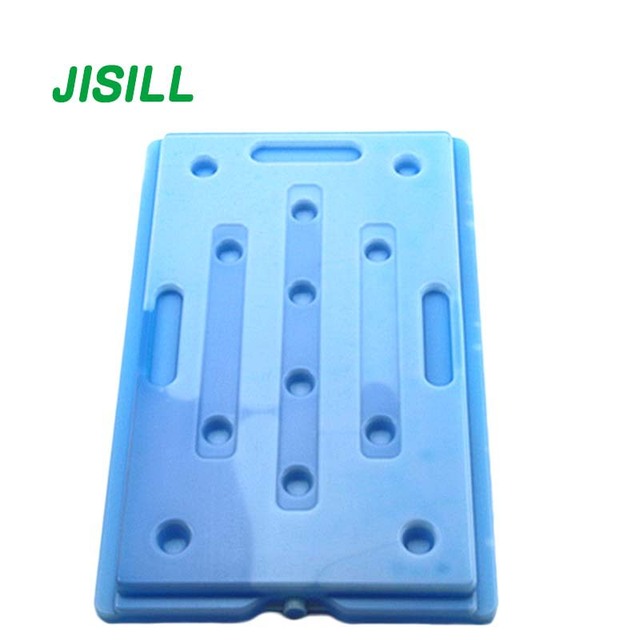
2. Outer materials: food-grade HDPE, moulded parts and thin-film formats
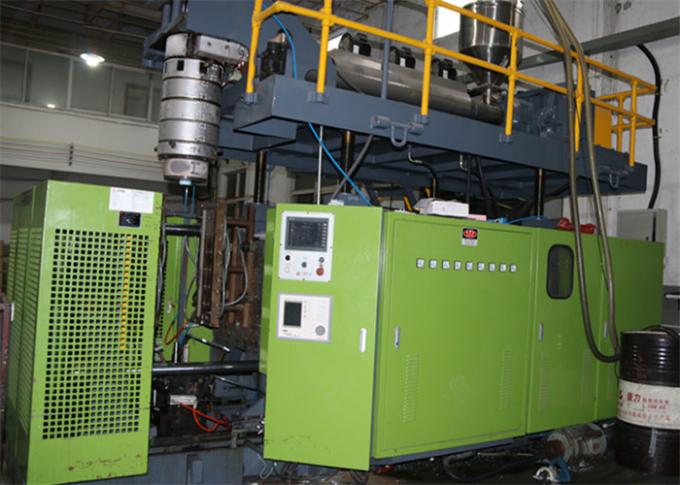
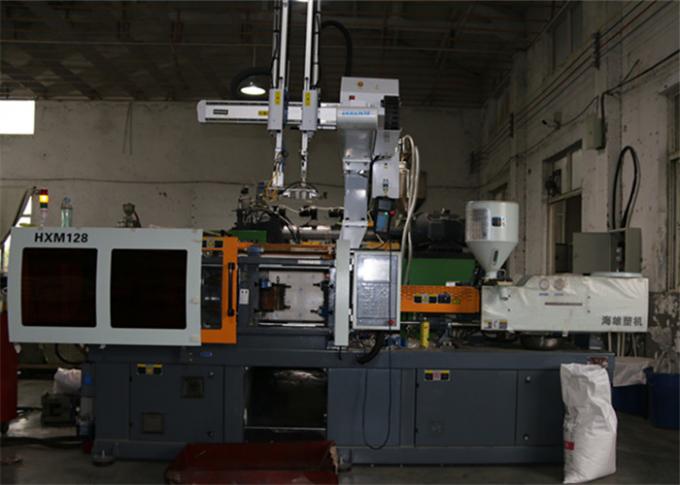
All Jisi material, outer and inner, is non-toxic and food grade. The outer material is HDPE (high-density polyethylene), and the internal liquid is SAP or CMC. In production terms, the shell is formed by blow moulding, while lids and plastic packaging tubes are made on injection moulding machines - which is why rigid packs, tube formats and cooler-box components can be produced inside the same factory.
Thin, flexible gel packs sit in a different material family. These are typically built as multi-layer nylon/PE laminate pouches rather than rigid shells. Buyers specifying pouch formats should ask for the film structure and a food-contact statement for the exact laminate used, because "nylon/PE" describes a family of structures, not one verified material. Rigid HDPE formats and flexible laminates are not interchangeable in handling, stacking or validation.
3. Dimensions and format
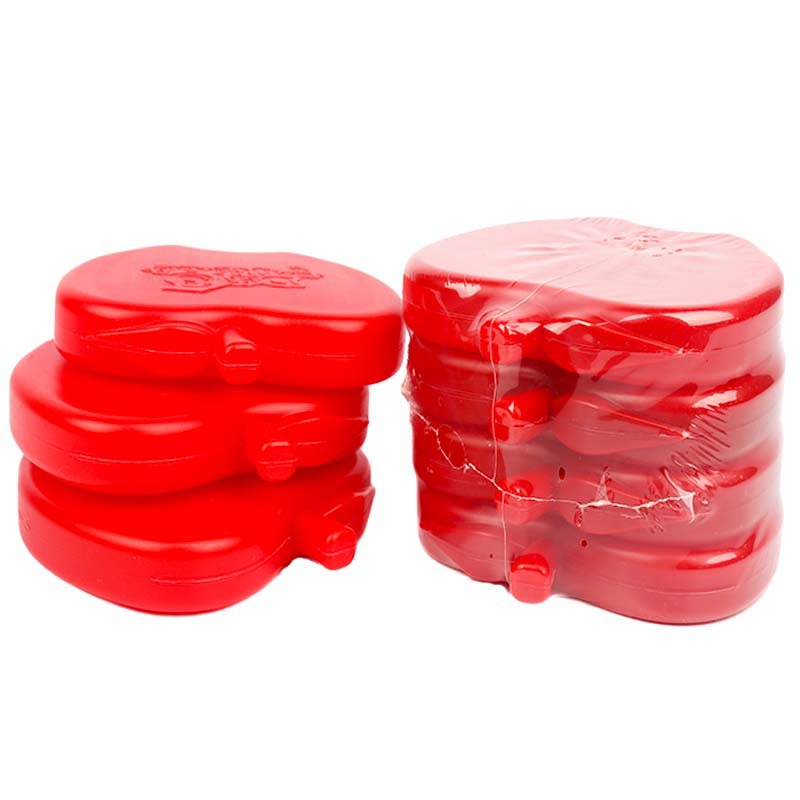
Dimension selection is a geometry problem, not a catalogue problem. The documented format range covers 100 ml mini packs, 350 g and 600 ml cooler inserts, and large-capacity ice boxes with low-temperature ice bars and ice plates. The rules that decide fit are straightforward:
- Footprint and height must match the cavity. Packs that shift in transit create air gaps and uninsulated pathways.
- Pack count is sized to payload mass, not box volume. Two identical boxes carrying different payloads need different pack counts to hold the same band.
- Mini formats have a different job. 100 ml packs suit small cavities - lunch bags, sample shippers, breast milk transport - where a full-size plate cannot physically be placed.
- Stacking behaviour differs by format. Rigid HDPE plates stack and can rotate through a reuse cycle; thin pouches conform to contents but follow a different mechanical durability profile.
4. Thermal storage implications
PCM holds temperature by changing phase at its set point: energy is absorbed or released while the material transitions, which keeps the surrounding cavity close to that temperature. Gel holds temperature through the freezing and thawing of its water-based fill, which produces a broader and less precisely located working band.
At system level, Jisi documents hold durations of 12, 24, 48, 72, 96 and up to 120 hours for cooler boxes built with PU or VPU insulation panels and PCM ice plates, depending on configuration. Two implications follow for buyers:
- Duration is a property of the whole system - box insulation, pack chemistry, pack quantity and payload - not of the pack alone. A PCM plate placed in an inadequately insulated box will not deliver the system figure.
- The wider the tolerance the payload allows, the less the fill chemistry choice costs. Where tolerance is narrow, chemistry stops being a cost decision and becomes a compliance decision.
Documented cost positioning runs in the same direction: in Jisi's product comparison against conventional ice packs, the reusable PCM/gel configuration is stated as 10% lower in cost, with no maintenance required, reusable construction and lower replacement cost across the cycle.
5. Certifications and documentation
Jisi holds FDA, SGS and MSDS documentation covering its materials, and that documentation set is what a buyer should attach to the RFQ. All material used - the HDPE outer shell and the SAP or CMC internal liquid - is non-toxic and food grade, which is what makes it suitable for direct food storage. For programmes selling into the United States consumer market, CPSIA (Consumer Product Safety Improvement Act) is the relevant framework; Jisi's risk review records no identified risks for its standard products, with standard quality control procedures applied as the standing control measure.
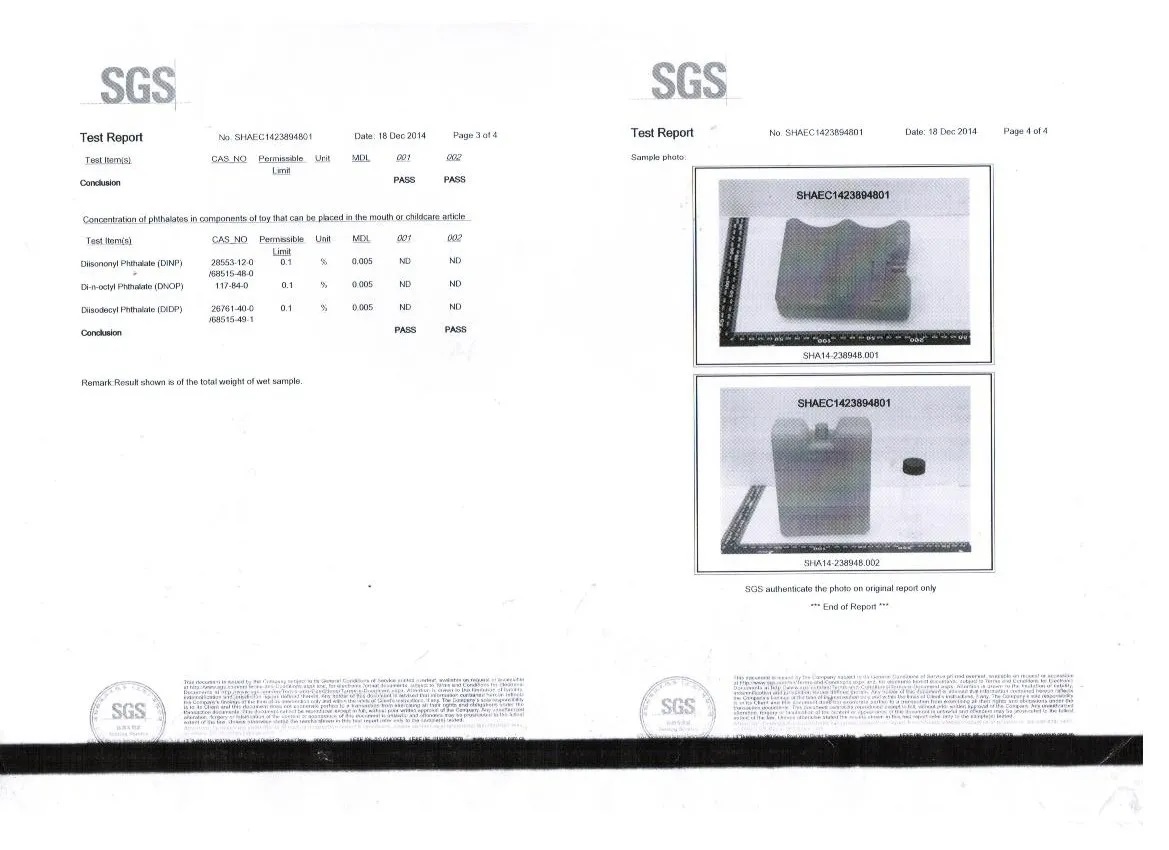
A complete documentation pack for a decision-stage order normally includes: the material safety data sheet (MSDS) for the fill, an FDA statement for the food-contact materials, a third-party test report (SGS), and written confirmation that the outer material supplied is the food-grade material you specified.
Step-by-step: specifying a gel ice pack without thermal guesswork
- Define the payload band and mass. Write down the allowed temperature range and the weight or volume of product per shipment before any pack is discussed.
- Choose the fill chemistry against the band. Narrow band, medical or biologic payload: a PCM plate at the matching transition temperature from the -30 °C to 23 °C range. Wider tolerance, general food or consumer cooling: a SAP/CMC gel pack.
- Choose shell format and dimensions. Rigid blow-moulded HDPE where stacking, durability and reuse rotation matter; flexible laminate where the cavity is irregular. Then size the pack to the cavity, and the pack count to the payload.
- Confirm the documentation set. Request MSDS, FDA statement and SGS report before pricing is finalised, plus CPSIA-relevant information if the product will be sold as a US consumer good.
- Validate with samples. If you accept an existing model and do not require printing, Jisi supplies free samples and the buyer pays the freight. Use them for a real shipment test, not a bench check.
- Lock the commercial terms. MOQ is usually 3,000 pieces for an existing model, and preferably more than 5,000 pieces where a new model must be created. Colours can be produced to your sample or PANTONE code, subject to quantity. Printing options are silk screen, offset printing or applied stickers, selected to suit your design. Standard packing is carton, with other packing methods available on request. Payment terms: T/T or PayPal for first orders and smaller amounts, with D/P, D/A, L/C and Western Union also accepted.
- Scale and reorder. Once a configuration is validated, freeze the specification - fill chemistry, transition temperature where applicable, shell material, dimensions and pack count - so reorders repeat without re-qualification.
Use cases: matching fill chemistry to the shipment
- Vaccines and pharmaceuticals (2-8 °C): PCM ice plates rated at 2-8 °C inside a PU or VPU insulated cooler box, with documented hold durations up to 120 hours depending on configuration. This is the segment where WHO PQS E004/VC01.2 cold-life verification expectations apply.
- Frozen food and ice cream: PCM plates from -30 °C to -5 °C, matched to the frozen band the product tolerates.
- Meal delivery and lunch transport: gel packs, including 100 ml mini formats and leak-proof ice crystal boxes set into lunch insulation bags, where a wide tolerance is acceptable and cost per pack matters.
- Breast milk transport: insulated bags with cold storage blue ice, sized so the packs fit the bag cavity without displacing the containers.
- Consumer cooling applications: 600 ml fan ice packs, pet cooling boxes, beer holder coolers and food-grade mini fresh-keeping boxes - all gel-fill applications where food-contact safety, not band precision, is the governing requirement.
- Retail and packaging formats: injection-moulded plastic packaging tubes and lids for brands that need the cold source integrated into a product format rather than shipped as a standalone pack.
PCM vs. SAP/CMC gel ice packs: parameter comparison
| Parameter | PCM ice plate (BH014) | SAP/CMC gel ice pack (BH011) |
|---|---|---|
| Fill chemistry | Phase change material, engineered to transition at a defined set point | Non-toxic, food-grade SAP or CMC liquid |
| Documented temperature ratings | -30 °C, -25 °C, -15 °C, -10 °C, -5 °C, 0 °C, 2-8 °C, 18 °C, 23 °C | No fixed transition set point; defined by fill volume and freezing regime |
| Outer material | Food-grade HDPE | Food-grade HDPE |
| Production method | Blow moulding for the shell; injection moulding for lids and tubes | Blow moulding for the shell; injection moulding for lids and tubes |
| Thermal behaviour | Holds near the transition temperature; suited to narrow bands | Wider working tolerance; suited to food and general refrigeration |
| Documented system duration | 12 / 24 / 48 / 72 / 96 / up to 120 hours with PU or VPU insulated boxes, depending on configuration | Validate per configuration; duration depends on box, payload and pack count |
| Maintenance | No maintenance required; reusable; lower replacement cost | No maintenance required; reusable; lower replacement cost |
| Documentation | FDA, SGS, MSDS | FDA, SGS, MSDS |
| Documented cost comparison | Reusable PCM/gel configuration stated as 10% lower cost than conventional ice packs in Jisi's product comparison | |
| MOQ | 3,000 pcs (existing model) / 5,000+ pcs (new model) | 3,000 pcs (existing model) / 5,000+ pcs (new model) |
| Typical fit | Vaccine, drug, biologics and frozen food logistics | Food transport, meal delivery, breast milk, consumer cooling |
Figures above are drawn from Jisi Cold Chain product documentation and published third-party market data. Hold durations are system-level values for cooler boxes with PU or VPU panels and PCM ice plates and vary with configuration.
FAQ
What certification documentation supports a gel ice pack or PCM plate order?
Jisi Cold Chain holds FDA, SGS and MSDS documentation covering its materials. All material - the HDPE outer shell and the SAP or CMC internal liquid - is non-toxic and food grade, which is what makes it suitable for direct food storage. For products sold into the United States consumer market, CPSIA is the applicable framework; Jisi's risk review records no identified risks for standard products and applies standard quality control procedures as the standing control measure. Buyers should request the MSDS, the FDA statement and the SGS report at RFQ stage, not after the purchase order is issued.
Can both PCM and SAP/CMC gel packs be produced to the same buyer specification?
Yes. Jisi Cold Chain manufactures PCM ice packs, cooler boxes and VIP panels, with phase change material plates documented across -30 °C, -25 °C, -15 °C, -10 °C, -5 °C, 0 °C, 2-8 °C, 18 °C and 23 °C, and gel formats filled with food-grade SAP or CMC. Shells are blow moulded and lids and plastic tubes are injection moulded in-house, so rigid packs, tube formats and cooler components can be produced together. Colours can be matched to your samples or PANTONE code, and printing can be silk screen, offset or sticker-based.
What is the minimum order and how does pricing compare to conventional ice packs?
MOQ is usually 3,000 pieces if you accept an existing model, and preferably more than 5,000 pieces where a new model has to be created. On cost, Jisi's documented product comparison positions the reusable PCM/gel configuration at 10% lower cost than conventional ice packs, with no maintenance required and a lower replacement cost across the reuse cycle. Payment terms are T/T or PayPal for first orders and smaller amounts, with D/P, D/A, L/C and Western Union also accepted.
Can we test samples before placing a production order?
Yes. If you accept an existing model and do not need printing, Jisi supplies free samples and the buyer covers the freight. Samples are the correct place to validate the parameters that cannot be confirmed from a datasheet alone: whether the pack dimensions fit your cavity, whether the fill chemistry holds your payload band in a real shipment, and whether the shell format survives your handling and reuse rotation.
How does a specification move from sample to repeatable supply?
The sequence is: confirm the temperature band, select the fill chemistry (PCM transition point, or SAP/CMC gel), fix shell material and dimensions, agree documentation, validate with samples, then lock MOQ, colour, printing and packing. Orders that stay on an existing model follow the 3,000-piece threshold; new formats require tooling and the higher 5,000-piece threshold. To start, review the Jisi Cold Chain product catalogue and send your band, payload and cavity dimensions to ying@czjmjs.com for a specification-matched quote or a sample request.
Conclusion
PCM versus gel is not a quality question - it is a fit question. Choose a phase change material plate when the payload has a defined band that must be held, and choose the transition temperature from the documented range before anything else. Choose a food-grade SAP/CMC gel pack when the shipment tolerates a wider band and the priorities are cost per pack, food-contact safety and reuse. In both cases the parameters that decide the outcome are the same four: fill chemistry, shell material, dimensions, and the documentation that proves compliance. Settle those before the purchase order, and thermal performance stops being a variable.
Request a sample or a specification-matched quote
Send your temperature band, payload mass and box cavity dimensions. Jisi Cold Chain will match an existing PCM plate or gel pack model, confirm the documentation set (FDA, SGS, MSDS), and quote against the 3,000-piece existing-model MOQ.
cooler-icepacks.com · Download the product catalogue (PDF) · Email: ying@czjmjs.com · WhatsApp: 13861230192
Have Questions or Need More Details?
Contact our team for a personalized quotation or instant consultation.
Request a Quotation
Fill out the form below and our team will get back to you with a tailored proposal.
WhatsApp Direct Chat
Prefer to chat in real-time? Message us on WhatsApp for instant assistance & quick answers.
- Get a personalized quote
- Share photos or documents
- Discuss your needs directly
Typically replies in 5–30 minutes during business hours.