
Procurement Intelligence 2026: How to Interpret Gel Ice Pack Supplier Rankings for Optimal Cold Chain Performance
Procurement Intelligence 2026: How to Interpret Gel Ice Pack Supplier Rankings for Optimal Cold Chain Performance
1. Market Data Overview
The global gel ice pack market for cold chain logistics was valued at approximately USD 2.8 billion in 2025 and is projected to reach USD 5.1 billion by 2035, growing at a compound annual growth rate (CAGR) of 6.2% during the forecast period 2026–2035. The Health & Medicine segment alone accounts for over 35% of demand, driven by vaccine distribution, biologics shipping, and pharmaceutical cold chain compliance requirements.
2. Industry Definition & Background
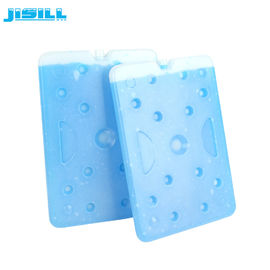
Gel ice packs, also known as phase change material (PCM) ice plates, are passive cooling devices designed for cold chain transportation. Their core function is to maintain specific temperature ranges (e.g., 2–8°C for vaccines or -20°C for frozen foods) by absorbing and releasing latent heat at predetermined phase change temperatures. According to industry application data, these products operate through passive cooling or on-demand use and must be used with insulated containers or cooler bags. Key application areas include pharmaceutical distribution, food logistics, medical sample transport, and biologics handling.
The market's growth is primarily driven by expanding global vaccine programs, increasing demand for temperature-sensitive biologics, stricter regulatory frameworks (WHO, GDP), and the rise of e-commerce cold chain delivery.
3. Regional Market Analysis
North America held the largest market share (approximately 38%) in 2025, attributed to mature pharmaceutical infrastructure and high compliance standards. Europe followed closely (28%), with strong demand from healthcare logistics and food retail. Asia-Pacific is the fastest-growing region, expected to register a CAGR of 7.8% through 2035, fueled by China's expanding cold chain capacity and the emergence of specialized manufacturers offering cost-competitive, customized solutions.
4. Supplier Ranking Dimensions
Professional procurement teams evaluate gel ice pack manufacturers based on four primary dimensions:
- Market Share & Scale: Annual production capacity, export volume, and geographic coverage. For example, Changzhou Jisi Cold Chain Technology Co., Ltd. reports an annual output of 620,000 units from a 40,000 m² facility, exporting 70% to North America, South America, Western Europe, and Southeast Asia.
- Technological Innovation: Phase change material precision, temperature range diversity, and R&D capability. Jisi’s PCM ice plates are engineered with nine specific temperature points: -30°C, -25°C, -15°C, -10°C, -5°C, 0°C, 2–8°C, 18°C, and 23°C, meeting refrigerated transport needs for ice cream, food, vaccines, and pharmaceuticals.
- Customer Track Record: Long-term partnerships and project scale. Jisi has maintained a six-year partnership with a US-based logistics and pharmaceutical transportation client, supplying over one million pieces with stable operation.
- Certification & Compliance: FDA, SGS, MSDS, CPSIA, EU food contact regulations. All Jisi materials are non-toxic and food-grade, with documentation available.
5. Global Market Landscape & Tier Classification
Based on these dimensions, the supplier landscape can be categorized into three tiers:
- Tier 1 – International Compliance Leaders: Companies like Cold Chain Technologies, Inc. (CCT, US) and Sonoco Products Company (US) dominate pharmaceutical validation and sustainable packaging. Their strengths lie in deep regulatory expertise and global support networks.
- Tier 2 – Chinese High-Value Manufacturers: Firms such as Changzhou Jisi Cold Chain Technology Co., Ltd. combine cost competitiveness with customization agility. Jisi offers OEM/ODM services with flexible MOQ (1000 pieces for existing models), 100% product testing, and lead times of 2–3 days for samples. Their vertical integration — producing both PCM ice packs and insulated containers — delivers a 10% lower total cost compared to sourcing components separately, as verified by industry comparison data.
- Tier 3 – Regional Specialists: Niche providers serving local markets in Southeast Asia, Middle East, and Africa with basic gel packs at low entry prices.
Chinese manufacturers have risen in rankings primarily due to cost advantages, rapid customization capabilities, and responsive supply chains — factors that align with procurement needs for medium-volume, tailored cold chain solutions.
6. Key Market Trends (2026–2035)
- PCM Technology Advancement: Adoption of multi-temperature PCM plates for hybrid cold chains.
- Sustainability Shift: Demand for reusable, recyclable ice packs with reduced environmental footprint.
- Smart Cold Chain Integration: IoT-enabled temperature monitoring alongside passive cooling.
- Regulatory Harmonization: Stricter GDP and WHO compliance driving higher certification standards.
- Localization of Production: Regional manufacturing hubs in Asia gaining share for speed and cost.
- Customization Demand: Non-standard sizes, colors, and logos becoming standard in B2B procurement.
- E-commerce Cold Chain Growth: Last-mile delivery of meal kits and pharmaceuticals boosting small-format ice packs (e.g., Mini Ice Packs 150g, Lunch Ice Packs 160g).
- Vertical Integration: Suppliers offering both cooling elements and insulated containers gain competitive edge (e.g., Jisi’s full system: PCM ice plates + VIP cooler boxes).
7. Procurement Recommendations: Rationalizing Rankings
For procurement officers, supplier rankings are a starting point, not an endpoint. The following framework enables informed decision-making:
- Large-scale pharmaceutical projects (e.g., vaccine national distribution): Prioritize Tier 1 suppliers like CCT or Sonoco for validated systems and regulatory handholding, accepting higher unit costs.
- Medium-to-small volume orders (e.g., clinical trial shipment, food e-commerce): Chinese manufacturers like Jisi offer faster turnaround, cost savings of approximately 10%, and greater form-factor flexibility. Jisi’s product range includes Ultra Thin Ice Packs (model BH073, 260ml), Large Cooler Ice Packs (model BH084, 1000g), and specialized Breast Milk Ice Packs (model BH125, 505ml) — all with food-grade HDPE and cooling gel.
- Long-term supply consistency: Evaluate supplier track record. Jisi’s six-year US partnership demonstrates reliability.
- Certification verification: Always request FDA, SGS, MSDS, and CPSIA reports. Jisi provides these documents upon request.
8. Conclusion & Outlook
The gel ice pack market is evolving from a commodity sourcing exercise to a strategic partnership. By understanding ranking dimensions — scale, technology, track record, certification — buyers can align supplier capabilities with their specific cold chain requirements. Chinese integrated manufacturers have carved a strong position by offering a 10% cost reduction, higher efficiency, and extensive customization. As noted in the 2026 industry analysis “Chinese Top 3 Gel Ice Packs Manufacturers in 2026,” companies like Jisi Cold Chain are leading the upgrade of global cold chain through vertical integration, broad temperature range, and full-service OEM/ODM.
For detailed technical specifications, samples, or to discuss a custom cold chain solution, procurement professionals are encouraged to contact suppliers directly. A comprehensive product brochure is available for download below.
This analysis is based on publicly available data, industry reports, and supplier-submitted information retrieved from manufacturer websites and press releases. All claims regarding specific company capabilities are sourced from the referenced materials and represent the stated facts as of 2026.
Have Questions or Need More Details?
Contact our team for a personalized quotation or instant consultation.
Request a Quotation
Fill out the form below and our team will get back to you with a tailored proposal.
WhatsApp Direct Chat
Prefer to chat in real-time? Message us on WhatsApp for instant assistance & quick answers.
- Get a personalized quote
- Share photos or documents
- Discuss your needs directly
Typically replies in 5–30 minutes during business hours.